
Exploring Relaxation
Introduction
Science, Heritage, and Practice
Relaxation, far from being a mere pause from daily demands, is a profound phenomenon interweaving physiological, psychological, cultural, and spiritual dimensions. This expanded literature overview synthesizes insights from over 60 peer-reviewed academic sources, including journal articles, books, theses, and reports, to provide a comprehensive exploration of relaxation’s theoretical foundations, definitions, dimensions, applications, measurement, critical perspectives, and historical evolution. By integrating Asian and Eastern perspectives—particularly from Indian, Japanese, Indonesian, and Chinese traditions—alongside global viewpoints, this review illuminates both universal and context-specific aspects of relaxation.
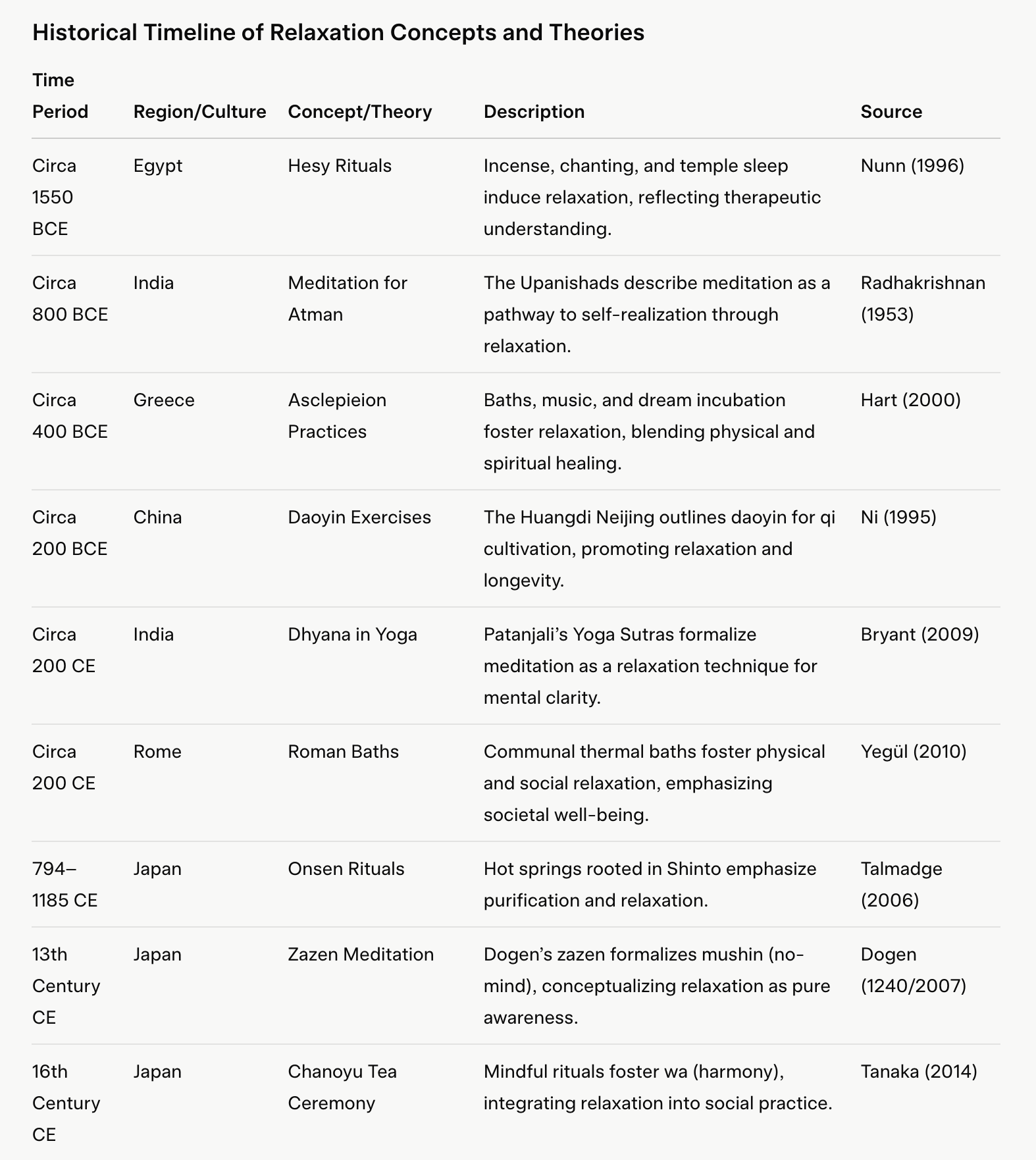
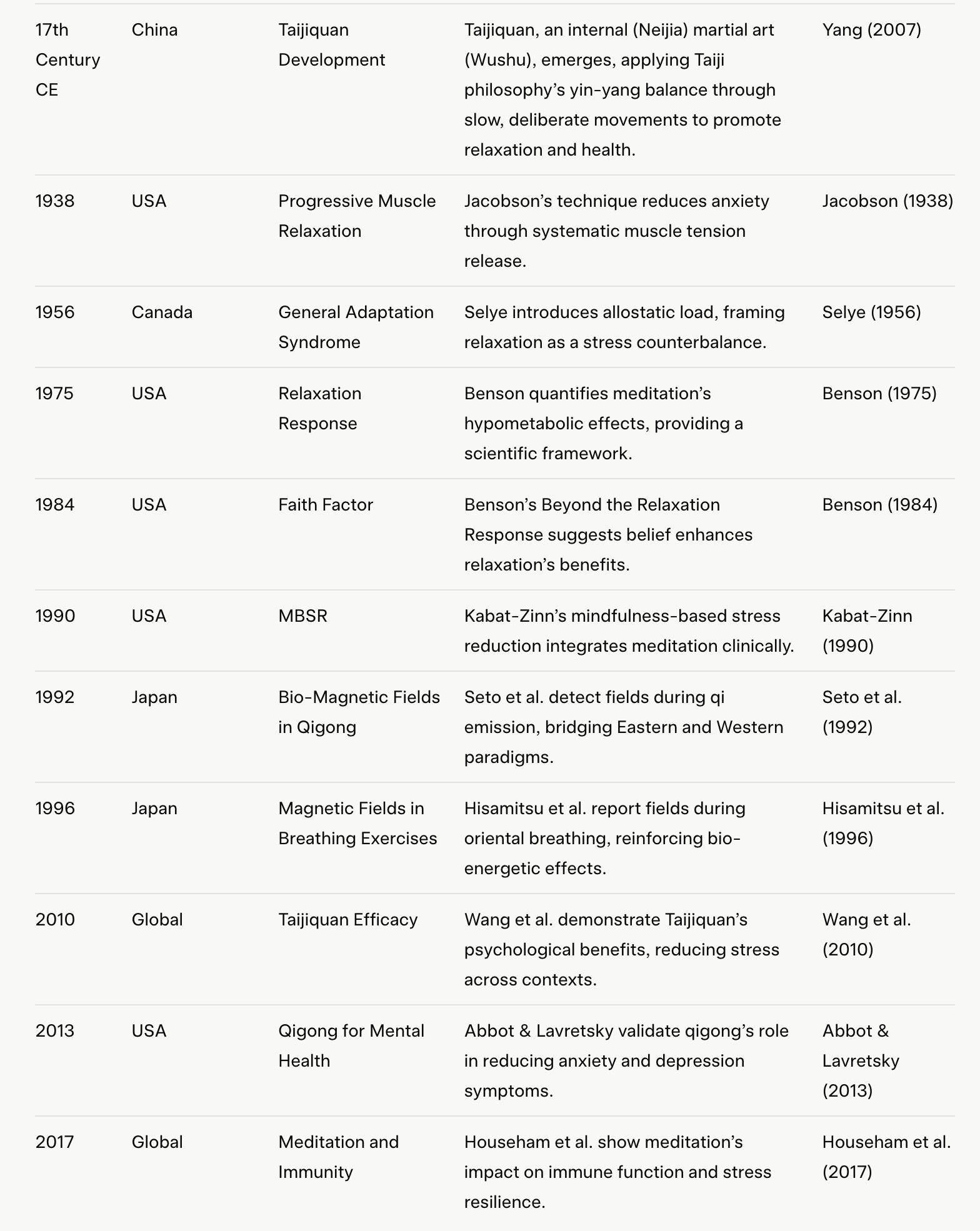
The article addresses stress as a multifaceted challenge impacting personal life, professional careers, organizational dynamics, and societal economies, demonstrating how relaxation practices mitigate these effects across all levels. Vivid historical examples, dynamic storytelling, and modern analogies enrich the narrative, ensuring academic rigor. Structured thematically with a dedicated section on global perspectives, a historical timeline in table format, and a section on stress’s multifaceted impact, this overview incorporates recent scholarship to deepen the understanding of relaxation’s physical-neurological mechanisms, particularly through bio-magnetic field emissions in Eastern practices. Additionally, it integrates anecdotal reports of qi-emission experiences from qigong students in the Netherlands to illustrate the experiential aspects of relaxation practices.
See the full version on your computer.
Defining Relaxation:
A Multidimensional Concept
Relaxation is broadly conceptualized as a state of reduced physical, mental, and emotional tension, characterized by calm, well-being, and restored energy. Lazarus and Folkman (1984) describe it as a cognitive and physiological process that counteracts stress responses, engaging the parasympathetic nervous system to restore homeostasis, mitigating the fight-or-flight response by lowering heart rate, blood pressure, and cortisol levels (Benson, 1975). Househam et al. (2017) emphasize that meditation practices, integral to relaxation, modulate the immune system and stress response, enhancing overall health and resilience across personal and professional contexts. Benson (2000) elaborates on the relaxation response as an innate mechanism triggered by techniques such as meditation, deep breathing, and progressive muscle relaxation, with practical steps outlined for its elicitation (Benson, 1976). In Beyond the Relaxation Response, Benson (1984) introduces the “faith factor,” emphasizing that belief systems—whether religious, cultural, or personal—amplify relaxation’s efficacy, a concept echoed in studies of spiritually grounded practices like Kundalini yoga (Shannahoff-Khalsa et al., 2019).
Definitions of relaxation vary across disciplines and cultural contexts, reflecting its multifaceted nature. In psychology, relaxation is a coping strategy to manage anxiety and enhance emotional regulation, often integrated into cognitive-behavioral therapies (Smith, 2005). Wang et al. (2010) highlight Taijiquan’s role in improving psychological well-being, reducing anxiety, and enhancing mood, underscoring relaxation’s mental health benefits, distinct from Taiji philosophy, which emphasizes yin-yang balance and cosmic harmony as a metaphysical framework for relaxation (Cohen, 1997). In neuroscience, relaxation is associated with deactivation of stress-related brain regions, such as the amygdala, and increased activity in areas linked to calm, such as the prefrontal cortex, as evidenced by functional MRI studies (Davidson & Schwartz, 1976).
Eastern traditions offer nuanced, holistic perspectives. In Indian Vedanta philosophy, relaxation aligns with liberation from suffering through self-inquiry, as articulated by Guénon (1925), who describes the realization of the self’s unity with universal consciousness as a path to transcendence, and Robertson (1922), who emphasizes Vedanta’s focus on inner freedom. Japanese Zen Buddhism conceptualizes relaxation as mushin (no-mind), a state of effortless awareness where mental clutter dissolves, allowing pure presence (Suzuki, 1959). Chinese Taoist philosophy equates relaxation to wu wei (non-action), a harmonious flow with the natural order, emphasizing minimal effort and maximal alignment (Laozi, 6th century BCE/1997). Maoqin (2018) connects wu wei to pre-Qin ideals of sagehood, where inner cultivation fosters external harmony, a principle reflected in both Taiji philosophy and the physical practice of Taijiquan. In Indonesian traditions, relaxation is linked to spiritual practices like latihan, which involve spontaneous movement to achieve inner peace (Subandi, 2011). These diverse definitions underscore relaxation’s universal appeal and cultural specificity, akin to a symphony performed by different orchestras, each interpreting the same score with unique timbres and rhythms.
The complexity of defining relaxation is further highlighted by its experiential quality, which resists reduction to a single framework. While Western science quantifies relaxation through physiological markers, Nestor (2020) underscores the transformative power of breathwork, a universal practice across cultures, in regulating the nervous system and fostering calm. Eastern traditions emphasize subjective states like bliss or harmony, challenging researchers to bridge objective and phenomenological approaches. This multiplicity invites a broader understanding of relaxation as a dynamic process, adaptable to individual and cultural needs, much like a river carving distinct paths through varied landscapes yet remaining fundamentally water.
The “faith factor,”
amplifys relaxation’s
efficacy,
Theoretical Foundations:
Bridging Science and Philosophy
The theoretical foundations of relaxation span Western scientific models, Eastern philosophical traditions, and emerging interdisciplinary perspectives, creating a rich tapestry of understanding. In Western science, Hans Selye’s (1956) General Adaptation Syndrome provides a foundational framework, positioning relaxation as a critical counterbalance to the body’s stress response. Selye’s model describes stress as a three-stage process—alarm, resistance, and exhaustion—where prolonged stress leads to allostatic load, a cumulative wear on physiological systems. Relaxation mitigates this load by activating the parasympathetic nervous system, reducing cortisol production, and restoring equilibrium, thereby preventing chronic health conditions like hypertension and immune suppression (McEwen, 2007). Kessler and Greenberg (2002) quantify the economic burden of stress, noting its impact on productivity and healthcare costs, underscoring relaxation’s role in societal well-being.
Stages of Stress.
1. Alarm,
2. Resistance
3. Exhaustion
Herbert Benson’s (1975, 2000) relaxation response theory builds on Selye’s work, proposing that specific techniques—such as meditation, prayer, rhythmic breathing, or progressive muscle relaxation—elicit a hypometabolic state characterized by reduced oxygen consumption, lower heart rate, and shifts in brainwave activity toward alpha and theta frequencies, associated with calm and focus (Wallace et al., 1971). In Beyond the Relaxation Response, Benson (1984) extends this model by integrating the “faith factor,” arguing that belief systems enhance physiological benefits by fostering purpose and trust. This is supported by Shannahoff-Khalsa et al. (2019), who demonstrated that Kundalini yoga meditation, rooted in spiritual practice, outperformed the relaxation response in reducing obsessive-compulsive disorder symptoms, suggesting culturally grounded techniques offer unique therapeutic advantages.
Richard Lazarus’s (1984) transactional model of stress and coping complements these perspectives by emphasizing relaxation’s cognitive dimensions. This model frames relaxation as an appraisal-based strategy, where individuals assess stressors and employ techniques like visualization or mindfulness to reframe perceptions, reducing emotional and physiological arousal. This cognitive reframing empowers individuals to navigate stress proactively, akin to a sailor adjusting sails to harness the wind.
Eastern philosophies provide a holistic counterpoint. In Indian Ayurvedic tradition, relaxation balances doshas (vital energies—vata, pitta, and kapha) through practices like pranayama, herbal therapies, and meditation, with Mishra (2015) noting Advaita Vedanta’s emphasis on self-realization as a path to mental tranquility (Sharma, 2015). Guénon (1925) further describes Vedanta’s metaphysical unity as a means to transcend suffering, enriching relaxation’s philosophical depth. Japanese shinrin-yoku, rooted in Shinto, theorizes that natural immersion restores mental clarity by aligning human rhythms with the environment (Miyazaki, 2018). Indonesian jamu herbal practices, dating to the Majapahit Empire (1293–1527 CE), link relaxation to physical harmony, with modern research confirming anti-inflammatory effects (Beers, 2001; Elfahmi et al., 2014). Chinese Taoist qigong promotes qi balance, with Seto et al. (1992) detecting bio-magnetic fields from practitioners’ hands during qi emission, suggesting relaxation enhances energetic output.
Parapsychology offers a unique lens, with Braud & Braud (1974) and Braud (2013) suggesting relaxation as a psi-conducive state, enhancing extrasensory perception. Permezel and Rock (2009) support this, finding that bio-energetic practices improve affective responses, suggesting relaxation’s potential to access subtle consciousness states. Historical examples, like Roman baths (circa 200 CE) for communal relaxation (Yegül, 2010) and Japanese onsen since the Heian period (794–1185 CE) for spiritual renewal (Talmadge, 2006), underscore relaxation’s cultural significance, akin to modern wellness retreats.

Stress:
A Multifaceted Challenge
Chronic stress is a pervasive challenge that manifests across four interconnected levels—personal, professional, organizational, and societal—each with profound implications for health, performance, and well-being (Cuijpers, 2024). At the personal level, stress disrupts emotional balance, leading to anxiety, sleep disturbances, and strained relationships, significantly diminishing quality of life. Kessler & Greenberg (2002) note that stress-related disorders contribute to personal distress, impacting mental and physical health.
Professionally, stress hampers career progression by reducing focus, creativity, and job satisfaction, leading to burnout and turnover, with economic costs in lost productivity (Kessler & Greenberg, 2002). Organizationally, stress fosters dysfunctional work environments, increasing absenteeism and reducing collaboration, which undermines team performance and organizational efficacy (McEwen, 2007). Societally, the economic burden of stress is staggering, with mental health disorders and productivity losses costing billions annually, straining healthcare systems and economies (Cuijpers, 2024). These multifaceted impacts highlight the urgent need for holistic relaxation practices to mitigate stress across all levels, fostering resilience and well-being in individuals and communities.
Cuijpers (2025) ? to Copy of Cite without written consent
Dimensions of Relaxation
• Physical-Neurological Dimension
Physiologically, relaxation counteracts the sympathetic nervous system’s stress response, promoting parasympathetic dominance, which reduces heart rate variability, blood pressure, and cortisol levels while enhancing immune function (McEwen, 2007). Househam et al. (2017) demonstrate that meditation practices reduce systemic inflammation, supporting relaxation’s role in physical health. Neuroimaging studies reveal decreased activation in the hypothalamic-pituitary-adrenal axis and increased connectivity in brain regions associated with calm, such as the anterior cingulate cortex, supporting relaxation’s role in neurological balance (Tang et al., 2007).
Indian yoga practices, such as nadi shodhana (alternate nostril breathing), modulate vagal tone, enhancing heart rate variability and promoting cardiovascular health, with studies confirming its efficacy in reducing stress-related biomarkers (Raghuraj et al., 1998). Nestor (2020) emphasizes breathwork’s role in regulating the autonomic nervous system, a principle shared across yoga and qigong. Japanese reiki therapy, a form of energy healing, has been shown to reduce pain and anxiety, potentially through endorphin release and modulation of autonomic responses, offering a bridge between traditional and scientific understandings of relaxation (Vitale, 2007).
Chinese qigong practices further illuminate relaxation’s physical dimension, particularly through the concept of qi (vital energy). Seto et al. (1992) detected extraordinary bio-magnetic field strengths emanating from the hands of qigong practitioners during external qi emission, suggesting that relaxation enhances the body’s energetic output, possibly linked to heightened parasympathetic activity.
Sancier & Hu (1991) reviewed qigong’s medical applications, documenting reduced stress markers and improved immune function, →
while Zhou & Lian (1989) showed its efficacy in managing hypertension, reinforcing its stress-relieving potential. Hisamitsu et al. (1996) extended these findings,
Hisamitsu et al. (1996) extended these findings, reporting extremely strong magnetic fields from the head and body during oriental breathing exercises, indicating that relaxation practices may amplify bio-energetic phenomena, offering a measurable link between traditional qi concepts and modern biophysics.
Shinnick (2006) further explores qigong’s integration of physical and energetic principles, supporting its scientific validity. These scientific observations are complemented by van Dort’s (2006) qualitative study, which reported that multiple qigong students in the Netherlands frequently experienced strong qi-emissions during lessons led by their master-instructor, Peter, and during posture corrections, with one student describing:
“And in the Mabu (horse riding stance) a number of things happened done in the ‘Peter way’, who stands there doing something. Then all sorts of things happen to me, then suddenly the energy flows in all directions. My body then has spontaneous movements, after that it feels, nice, empty and relax.” (van Dort, 2006). While these reports are not peer-reviewed, they align with the experiential aspects of qi-cultivation and suggest that skilled instructors may enhance qi-transmission through focused intention and physical alignment, as noted in traditional qigong teachings (Cohen, 1997).
Palmer (2007) contextualizes such experiences within China’s qigong movement, highlighting its cultural and therapeutic significance. These findings and reports collectively suggest that relaxation in qigong may involve subtle energy dynamics, complementing conventional physiological models and inviting further research into bio-energetic mechanisms.
Good et al. (2010) demonstrated that combining relaxation techniques with music significantly reduced postoperative pain in surgical patients, highlighting the synergistic effects of multimodal interventions. Similarly, qigong has been linked to reduced inflammation and improved autonomic balance, with studies showing decreased levels of pro-inflammatory cytokines in practitioners (Oh et al., 2010). Abbot and Lavretsky (2013) further validate qigong’s role in reducing anxiety and depression, enhancing physical and mental health across diverse populations. These findings underscore relaxation’s role in physical restoration, akin to a reset button for the body’s stress systems, capable of recalibrating physiological homeostasis across diverse cultural practices.
The physical benefits of relaxation extend beyond immediate stress relief. Longitudinal studies suggest that regular relaxation practices, such as yoga or qigong, may reduce the risk of chronic diseases like cardiovascular disorders and diabetes by lowering systemic inflammation and improving metabolic regulation (West et al., 2004; Ng & Tsang, 2009). Wang et al. (2010) confirm Taijiquan’s cardiovascular benefits, supporting its role in long-term health maintenance. These outcomes highlight relaxation’s preventive potential, positioning it as a cornerstone of integrative medicine that bridges ancient wisdom and modern science.
• Psychological Dimension
Psychologically, relaxation fosters emotional regulation, cognitive clarity, and resilience, serving as a mental gymnasium where calm is sculpted through disciplined practice.
Mindfulness-based stress reduction (MBSR), developed by Kabat-Zinn (1990), enhances attentional control and reduces rumination, as evidenced by functional MRI studies showing increased prefrontal cortex activity and decreased amygdala reactivity, indicating improved emotional regulation (Hölzel et al., 2011).
Page et al. (1997) found that long-term Tibetan Buddhist meditation enhances self-awareness, reducing stress and fostering emotional resilience, a key aspect of relaxation practices. Indonesian latihan, a Sufi-inspired meditation involving spontaneous movement, promotes self-awareness and emotional integration, aligning with Jungian concepts of individuation, where individuals achieve psychological wholeness through inner exploration (Subandi, 2011).
Kenner (2009) demonstrated that both progressive muscle relaxation and guided imagery effectively reduced physiological indices of anxiety in individuals with mild mental retardation, underscoring relaxation’s applicability across diverse cognitive capacities.
Benson’s (1976) step-by-step protocol for eliciting the relaxation response emphasizes repetition and focus, cultivating a mental environment conducive to calm. This is mirrored in Chinese Taoist meditation, where practitioners visualize qi flow to achieve mental tranquility, a practice documented in the Huangdi Neijing (circa 200 BCE), which describes relaxation as essential for aligning shen (spirit) with the body (Ni, 1995).
Wong (2012) connects Taoist meditation to narratives of inner transformation, emphasizing its role in emotional balance. Indian yoga nidra, a guided relaxation technique, induces a state of deep rest akin to sleep while maintaining conscious awareness, with practitioners reporting reduced anxiety and enhanced mental clarity (Miller, 2015). →
Mishra (2015) and Guénon (1925) highlight Advaita Vedanta’s role in mental liberation, suggesting that self-inquiry fosters a state of calm by transcending ego-driven stress, while Robertson (1922) underscores Vedanta’s focus on inner freedom.
These psychological benefits are not merely transient; regular relaxation practice has been shown to increase resilience to stress, improve mood stability, and enhance cognitive functions like memory and problem-solving, as evidenced by studies on mindfulness and yoga (Tang et al., 2007; West et al., 2004).
” The goal of life is to make your heartbeat match
the beat of the universe, to match your nature with nature. “
Wang et al. (2010) further demonstrate Taijiquan’s psychological benefits, reducing anxiety and enhancing cognitive performance.
The psychological dimension of relaxation also encompasses its role in fostering self-efficacy and empowerment. By mastering techniques like meditation or breath control, individuals gain a sense of agency over their mental states, enabling them to navigate life’s challenges with greater confidence.
This is particularly evident in Eastern practices, where relaxation is often framed as a path to self-realization or enlightenment, offering practitioners a transformative framework for personal growth (Bryant, 2009).
• Social Dimension
Socially, relaxation strengthens interpersonal connections and fosters community cohesion, acting as a cultural adhesive that binds individuals like threads in a tapestry. In Indian culture, communal kirtan (devotional chanting) creates a collective state of relaxation, reducing social anxiety through synchronized breathing and rhythm, with participants reporting a sense of unity and transcendence (Beck, 2012). Japanese tea ceremonies (chanoyu), dating to the 16th century, embody wa (harmony), where participants engage in mindful rituals to cultivate shared calm, a practice that historically mitigated tensions among feudal lords during the Muromachi period (Sen, 1998; Tanaka, 2014). In Chinese Confucian traditions, family-based qigong sessions reinforce social bonds, with elders guiding younger generations in relaxation practices to promote familial harmony, reflecting a cultural emphasis on collective well-being (Yang, 2007).
Indonesian melukat purification rituals, involving water cleansing, integrate relaxation with communal spiritual practices, fostering a sense of shared purpose and renewal among participants (Hobart, 2003). Cuijpers (2024) notes that stress at the societal level can erode community cohesion, making collective relaxation practices vital for social resilience. These social practices highlight relaxation’s role in building trust, empathy, and mutual support within communities, often serving as a counterbalance to the individualistic tendencies of modern societies. →
Modern parallels include group yoga classes, meditation retreats, and community wellness programs, where shared relaxation experiences amplify individual benefits while fostering a sense of belonging and collective well-being. Page et al. (1997) highlight the social benefits of Tibetan Buddhist retreats, where communal meditation fosters a sense of interconnectedness, enhancing group harmony.
For example, mindfulness programs in diverse settings have been shown to improve team cohesion and reduce interpersonal conflict, illustrating relaxation’s potential to enhance social dynamics (Li et al., 2011; Cheung et al., 2018).
The social dimension also extends to cultural identity, as relaxation practices often serve as expressions of heritage and tradition. In Bali, melukat rituals reinforce Hindu-Buddhist values, while Japanese onsen visits reflect Shinto reverence for nature, strengthening cultural continuity and pride (Hobart, 2003; Talmadge, 2006). Maoqin (2018) connects Chinese relaxation practices to Confucian ideals of familial and societal harmony, reinforcing cultural identity through shared rituals.
These practices underscore relaxation’s role in preserving cultural narratives, much like a living museum where traditions are enacted through shared experiences.
Applications:
From Therapy to Daily Life
• Clinical
In clinical settings, relaxation is a cornerstone of interventions for stress-related disorders. Progressive muscle relaxation (PMR), developed by Jacobson (1938), systematically tenses and releases muscle groups to reduce anxiety and insomnia, with studies confirming its efficacy in improving sleep quality and reducing symptoms of generalized anxiety disorder (Manber et al., 2010).
Mindfulness-based cognitive therapy (MBCT) prevents depressive relapse by enhancing emotional regulation and reducing negative thought patterns, with clinical trials demonstrating significant reductions in recurrence rates among patients with major depressive disorder (Teasdale et al., 2000). Shannahoff-Khalsa et al. (2019) conducted a randomized clinical trial comparing Kundalini yoga meditation to the relaxation response for obsessive-compulsive disorder, finding that the yoga group exhibited greater reductions in symptom severity, likely due to its integration of breath, movement, and spiritual focus, which may engage additional neural pathways.
Good et al. (2010) explored relaxation’s role in pain management, demonstrating that guided relaxation combined with music reduced postoperative pain intensity and opioid use in surgical patients, highlighting its potential as an adjunct to pharmacological interventions. In India, yoga nidra is used in psychiatric care to manage post-traumatic stress disorder, leveraging guided visualization to access subconscious healing mechanisms, →
with practitioners reporting reduced hyperarousal and improved emotional stability (Miller, 2015). Abbot and Lavretsky (2013) demonstrate qigong’s efficacy in reducing anxiety and depression in clinical populations, supporting its integration into mental health care.
Chinese qigong has been integrated into cancer care, with studies showing improved quality of life, reduced fatigue, and lower inflammation markers among patients, underscoring its role in supportive care (Oh et al., 2010). Sancier and Hu (1991) and Zhou and Lian (1989) further validate qigong’s therapeutic benefits, including stress reduction and improved physiological markers. These clinical applications position relaxation as a precision tool for mental and physical health, capable of addressing a wide range of conditions with minimal side effects.
Emerging research also explores relaxation’s role in neurological disorders. For example, mindfulness and yoga have shown promise in managing symptoms of Parkinson’s disease and multiple sclerosis by improving motor function and reducing stress-related exacerbations, suggesting that relaxation may modulate neuroplasticity and inflammation (Pickut et al., 2015).
Househam et al. (2017) support this, showing meditation’s impact on epigenetic and immune function, suggesting broader clinical applications. These findings highlight relaxation’s potential to bridge psychosomatic and neurological health, offering a holistic approach to complex conditions.
• Educational
In educational settings, relaxation enhances learning outcomes, emotional well-being, and classroom dynamics. Japanese schools incorporate do-in (self-massage) to reduce student stress, with teachers reporting improved focus and academic performance among participants (Nakamura, 2005). In Indonesia, senam pernapasan (breathing exercises) are integrated into curricula to promote emotional regulation, with studies showing reduced anxiety and improved peer interactions among students (Widyastuti, 2018). Chinese schools have adopted mindfulness programs inspired by Taoist meditation, which enhance students’ attention and resilience, as evidenced by improved test scores and reduced test anxiety in adolescents (Wang et al., 2016). →
Relaxation’s educational benefits extend to teachers, who face high levels of occupational stress. Mindfulness training for educators has been shown to reduce burnout and improve classroom management, fostering a more supportive learning environment (Flook et al., 2013). In India, yoga-based relaxation programs in schools have been linked to improved concentration and emotional resilience among students, particularly in high-pressure academic settings (Telles et al., 2013). Wang et al. (2010) confirm Taijiquan’s benefits in educational contexts, reducing stress and enhancing cognitive performance among students. These applications underscore relaxation’s role as an educational catalyst, enhancing cognitive and emotional capacities much like fertilizer nourishes a garden.
• Occupational
In occupational contexts, relaxation improves workplace well-being, productivity, and interpersonal dynamics. Petingola (2012) evaluated a one-day relaxation and mindfulness workshop for nephrology social workers, finding that participants reported enhanced empathy, reduced burnout, and improved patient interactions, suggesting that relaxation training can enhance professional efficacy in high-stress fields. Abbot and Lavretsky (2013) highlight qigong’s occupational benefits, reducing workplace stress and improving mental health. Wellness programs in Japan often include shinrin-yoku sessions, which reduce employee stress and increase job satisfaction, with studies showing improved immune function and mood among participants (Li et al., 2011). In China, qigong workshops for office workers have been linked to lower cortisol levels, reduced workplace anxiety, and improved work-life balance, →
highlighting relaxation’s role in occupational health (Cheung et al., 2018). Relaxation’s occupational applications also extend to high-performance fields like athletics and the military. For example, mindfulness-based interventions have been used to enhance focus and resilience among athletes, with studies showing improved performance under pressure (Gardner & Moore, 2004). In military settings, relaxation techniques like guided imagery and breathing exercises are employed to manage combat stress and prevent post-traumatic stress disorder, illustrating their adaptability to extreme environments (Stetz et al., 2007). Nestor (2020) supports the use of breathwork in high-stress occupations, noting its ability to regulate stress responses and enhance focus. These applications position relaxation as a versatile tool for optimizing human performance, akin to a tuning fork that aligns individuals with their optimal state.
• Daily Life
Culturally, relaxation is embedded in daily practices that reflect historical and spiritual traditions, serving as both a personal and communal ritual. The Balinese melukat purification ritual, involving water cleansing, promotes spiritual and physical relaxation, rooted in Hindu-Buddhist syncretism and practiced during festivals and life transitions (Hobart, 2003). In India, morning pranayama sessions are a household norm, fostering calm and mental clarity before the day’s demands, with families often practicing together to reinforce bonds (Sharma, 2015). Mishra (2015) notes that Advaita Vedanta’s meditative practices are integrated into daily life to cultivate inner peace. Japanese onsen visits remain a popular leisure activity, blending relaxation with social bonding and cultural reverence for nature, attracting both locals and tourists seeking restorative experiences (Talmadge, 2006).
Chinese Taijiquan, practiced in parks and community centers, combines gentle movement and breath to promote relaxation, embodying the principles of Taiji philosophy, which emphasizes yin-yang balance, while its martial art form (Wushu) integrates physical discipline and health benefits, with practitioners ranging from young professionals to retirees, reflecting its accessibility and cultural significance (Wang et al., 2010). Palmer (2007) highlights Taijiquan’s role in modern Chinese culture as a communal practice for health and relaxation, distinct from Taiji’s broader philosophical framework of cosmic harmony. In Indonesia, jamu herbal remedies →
to maintain physical and emotional balance, with recipes passed down through generations, embodying a living tradition of relaxation (Beers, 2001). These cultural practices highlight relaxation’s role in daily life, serving as a bridge between individual well-being and collective identity.
Modern technology has democratized relaxation, with apps like Calm and Headspace offering guided meditations inspired by ancient practices such as mindfulness and zazen. These platforms, while increasing accessibility, raise concerns about cultural authenticity, as they often simplify complex traditions for mass consumption, potentially diluting their philosophical depth (Purkayastha, 2018). Wong (2012) emphasizes the importance of preserving Taoist meditation’s philosophical roots in modern applications. Nonetheless, they illustrate relaxation’s adaptability, finding new channels in a digital landscape, much like a river navigating modern infrastructure while retaining its essential flow.
The integration of relaxation into daily life also manifests in global wellness trends, such as yoga retreats in Bali, onsen tourism in Japan, and qigong workshops in urban China. These trends reflect a growing recognition of relaxation’s value in counterbalancing the fast-paced demands of modernity, offering individuals a means to reconnect with themselves and their cultural roots (Smith & Kelly, 2006).
Measurement of Relaxation:
Tools and Challenges
Measuring relaxation requires a delicate balance of subjective and objective methodologies, each offering unique insights and challenges. Self-report scales, such as the Relaxation Inventory, assess perceived states of calm, tension reduction, and cognitive clarity, providing valuable insights into subjective experiences (Crist et al., 1989). Physiological measures, including heart rate variability, galvanic skin response, and electroencephalography (EEG), quantify autonomic and neural changes, offering objective data on relaxation’s biological effects (Task Force, 1996). The State-Trait Anxiety Inventory indirectly measures relaxation by tracking reductions in anxiety, providing a standardized psychological metric widely used in clinical research (Spielberger, 1983).
Eastern traditions emphasize qualitative approaches that challenge Western reliance on quantifiable data. In Indian yoga, practitioners describe relaxation through phenomenological accounts of ananda (bliss), a state of profound inner peace that transcends empirical measurement, often articulated in poetic or metaphorical terms (Feuerstein, 1998). Guénon (1925) describes Vedanta’s ananda as a state of pure being, aligning with yoga’s goal of transcendent calm. Japanese zazen meditation prioritizes experiential awareness over external validation, with practitioners valuing subjective depth over objective outcomes, as articulated in Zen texts that emphasize direct experience (Kapleau, 1989). Chinese Taoist texts describe relaxation as a state of shen (spirit) alignment, assessed through introspective reflection rather than biometrics, reflecting a holistic view of well-being (Roth, 1999).
These cultural differences highlight measurement challenges, akin to capturing the essence of a sunset with a ruler. The subjectivity of self-reports can introduce bias, while the cost and complexity of biometric tools like EEG limit their accessibility, particularly in resource-constrained settings. Additionally, standardizing measurements across cultural contexts is challenging, as Western scales may not capture the spiritual or energetic dimensions valued in Eastern traditions. For example, the bio-magnetic field emissions detected by Seto et al. (1992) and Hisamitsu et al. (1996) during qigong and oriental breathing exercises, alongside phenomenological emperical reports like those of van Dort (2006), suggest energetic phenomena that conventional tools may overlook, necessitating new measurement paradigms.
Mixed-method approaches offer a promising solution, combining physiological data with narrative analysis to capture both biological and experiential dimensions. For instance, studies on shinrin-yoku use cortisol levels, heart rate variability, and participant diaries to provide a holistic view of relaxation’s effects, demonstrating reduced stress and enhanced mood (Park et al., 2010). Similarly, research on qigong integrates EEG data with self-reported well-being, revealing correlations between alpha wave activity and perceived calm (Lee et al., 2004). Page et al. (1997) combine self-reports with qualitative insights from Tibetan Buddhist practitioners, capturing the subjective depth of meditative relaxation. These approaches bridge cultural divides, ensuring a comprehensive understanding of relaxation that respects both scientific rigor and phenomenological depth.
Future measurement efforts should focus on developing culturally sensitive instruments that integrate Western biometrics with Eastern qualitative methods. For example, combining heart rate variability with narrative accounts of ananda or mushin could provide a more nuanced understanding of relaxation’s effects. Additionally, leveraging wearable technology, such as smartwatches that monitor heart rate and stress levels, could enhance accessibility, though care must be taken to avoid overemphasizing quantifiable outcomes at the expense of subjective experiences (Lupton, 2016).
A Comparative Lens:
Asian and Eastern Perspectives
Asian and Eastern perspectives provide a rich lens for understanding relaxation, emphasizing holistic integration and context-specific practices that contrast with Western approaches.
• Indian Perspectives
Indonesian relaxation practices reflect a syncretic blend of indigenous, Hindu, Buddhist, and Islamic influences, emphasizing holistic healing and spiritual connection. Latihan, a Sufi-inspired meditation practiced by the Subud movement, promotes spiritual relaxation through spontaneous movement, with practitioners reporting reduced anxiety and enhanced self-efficacy, aligning with Islamic concepts of surrender to divine will (Geels, 1997).
Jamu herbal traditions, rooted in Javanese culture since the Majapahit Empire, use turmeric, ginger, and other plants to soothe the body, aligning with humoral theories of balance, with modern studies confirming anti-inflammatory and anxiolytic effects of jamu ingredients (Forshee, 2006; Elfahmi et al., 2014).
The Balinese melukat ritual, involving water purification, integrates relaxation with spiritual cleansing, reflecting Indonesia’s holistic worldview where physical and divine realms intersect (Hobart, 2003). →
Performed during religious festivals or personal milestones, melukat fosters a sense of renewal and community, with participants reporting profound calm and spiritual clarity. These practices highlight relaxation as a bridge between the physical and metaphysical, akin to a cultural mosaic where diverse elements form a cohesive whole.
Indonesian relaxation practices are also adaptive, blending traditional and modern elements. For example, urban wellness centers in Jakarta offer jamu-based spa treatments alongside yoga, reflecting a fusion of heritage and contemporary health trends (Beers, 2001). This adaptability underscores Indonesia’s dynamic approach to relaxation, preserving cultural roots while embracing global influences.
• Japanese Perspectives
Japanese relaxation practices are deeply rooted in Zen Buddhism and Shinto traditions, emphasizing harmony and presence. Zazen meditation, practiced since the 13th century, cultivates mushin (no-mind), a state of mental clarity achieved through focused awareness, with studies showing reduced prefrontal cortex activity and enhanced parasympathetic dominance, promoting physiological calm (Dogen, 1240/2007; Yu et al., 2011). Shinrin-yoku, developed in the 1980s as a public health initiative, leverages nature’s restorative effects, with research demonstrating reduced cortisol levels, lower blood pressure, and improved mood after forest exposure, reflecting Shinto’s reverence for natural harmony (Tsunetsugu et al., 2010; Miyazaki, 2018).
The Japanese concept of wa (harmony) underscores relaxation’s communal role. Historical tea ceremonies (chanoyu), documented in the Muromachi period (1336–1573 CE), fostered peace among feudal lords, using mindful rituals to create shared calm and resolve conflicts, →
a practice that continues to symbolize cultural values of mutual respect and tranquility (Tanaka, 2014).
Modern onsen visits, rooted in Shinto purification rituals, blend relaxation with social and spiritual renewal, attracting global visitors seeking immersive experiences that restore body and soul (Talmadge, 2006). These practices highlight Japan’s unique approach to relaxation as a communal and environmental endeavor, akin to a garden where individual plants thrive within a harmonious ecosystem.
Japanese relaxation also emphasizes aesthetic simplicity, as seen in practices like ikebana (flower arrangement) and karesansui (Zen rock gardens), which promote mindfulness through deliberate, minimalistic actions. These activities, rooted in Zen principles, cultivate a state of calm focus, illustrating relaxation’s role in fostering both inner peace and cultural expression (Suzuki, 1959).
• Indonesian Perspectives
Indonesian relaxation practices reflect a syncretic blend of indigenous, Hindu, Buddhist, and Islamic influences, emphasizing holistic healing and spiritual connection. Latihan, a Sufi-inspired meditation practiced by the Subud movement, promotes spiritual relaxation through spontaneous movement, with practitioners reporting reduced anxiety and enhanced self-efficacy, aligning with Islamic concepts of surrender to divine will (Geels, 1997).
Jamu herbal traditions, rooted in Javanese culture since the Majapahit Empire, use turmeric, ginger, and other plants to soothe the body, aligning with humoral theories of balance, with modern studies confirming anti-inflammatory and anxiolytic effects of jamu ingredients (Forshee, 2006; Elfahmi et al., 2014).
The Balinese melukat ritual, involving water purification, integrates relaxation with spiritual cleansing, reflecting Indonesia’s holistic worldview where physical and divine realms intersect (Hobart, 2003). →
Performed during religious festivals or personal milestones, melukat fosters a sense of renewal and community, with participants reporting profound calm and spiritual clarity. These practices highlight relaxation as a bridge between the physical and metaphysical, akin to a cultural mosaic where diverse elements form a cohesive whole.
Indonesian relaxation practices are also adaptive, blending traditional and modern elements. For example, urban wellness centers in Jakarta offer jamu-based spa treatments alongside yoga, reflecting a fusion of heritage and contemporary health trends (Beers, 2001). This adaptability underscores Indonesia’s dynamic approach to relaxation, preserving cultural roots while embracing global influences.
• Chinese Perspectives
Chinese relaxation practices draw on Taoist and Confucian philosophies, emphasizing energetic balance and social harmony. Taoist qigong combines movement, breath, and meditation to cultivate qi, promoting relaxation as a state of energetic equilibrium, with studies showing reduced cortisol levels and enhanced immune function among practitioners (Cohen, 1997; Ng & Tsang, 2009). Sancier & Hu (1991) and Zhou & Lian (1989) document qigong’s clinical benefits, including stress reduction and improved physiological health.
Seto et al. (1992) detected extraordinary bio-magnetic field strengths from qigong practitioners’ hands during qi emission, suggesting that relaxation enhances energetic outputs, potentially linked to parasympathetic activation. Hisamitsu et al. (1996) reported similar findings, detecting strong magnetic fields from the head and body during oriental breathing exercises, reinforcing relaxation’s bio-energetic effects and bridging traditional qi concepts with modern biophysics.
Shinnick (2006) and Palmer (2007) provide scientific and cultural context for qigong’s stress-relieving properties. Modern practitioners in the Netherlands have reported experiencing strong qi-emissions from their instructor, Master Peter, during qigong lessons and posture corrections, with one student describing, “And in the Mabu (horse riding stance) a number of things happened done in the ‘Peter way’, who stands there doing something. Then all sorts of things happen to me, then suddenly the energy flows in all directions. My body then has spontaneous movements, after that it feels, nice, empty and relax” (van Dort, 2006). →
These experiences align with traditional accounts of qi transmission from skilled masters.
Taijiquan, an internal (Neijia) Chinese martial art known as Wushu, embodies the principles of Taiji philosophy, which centers on yin-yang balance and cosmic harmony, using slow, deliberate movements to promote relaxation and health, distinct from Taiji’s broader metaphysical framework that informs practices like meditation and qigong (Yang, 2007). Confucian family rituals, such as communal qigong or Taijiquan sessions, foster relaxation through social harmony, with elders guiding practices to reinforce familial bonds and cultural values of filial piety (Yang, 2007). The Huangdi Neijing (circa 200 BCE) describes relaxation as essential for longevity, recommending breath control and visualization to align shen (spirit) with the body, a principle that underpins modern Taijiquan practices shown to reduce anxiety and improve autonomic balance (Ni, 1995; Wang et al., 2010). Wong (2012) connects these practices to Taoist narratives of inner transformation, emphasizing their role in fostering emotional and social balance.
Chinese relaxation practices are also deeply integrated into daily life, with Taijiquan and qigong practiced in parks, schools, and workplaces, reflecting their accessibility and cultural significance. Historical records from the Tang dynasty (618–907 CE) describe qigong-like exercises used by scholars and monks to enhance mental clarity and physical vitality, illustrating a long-standing tradition of relaxation as a tool for personal and societal well-being (Harper, 1998).
• Comparative Insights
Western relaxation practices prioritize stress reduction and physiological outcomes, often within a medicalized framework, as seen in biofeedback and PMR (Schwartz & Andrasik, 2003; Jacobson, 1938).
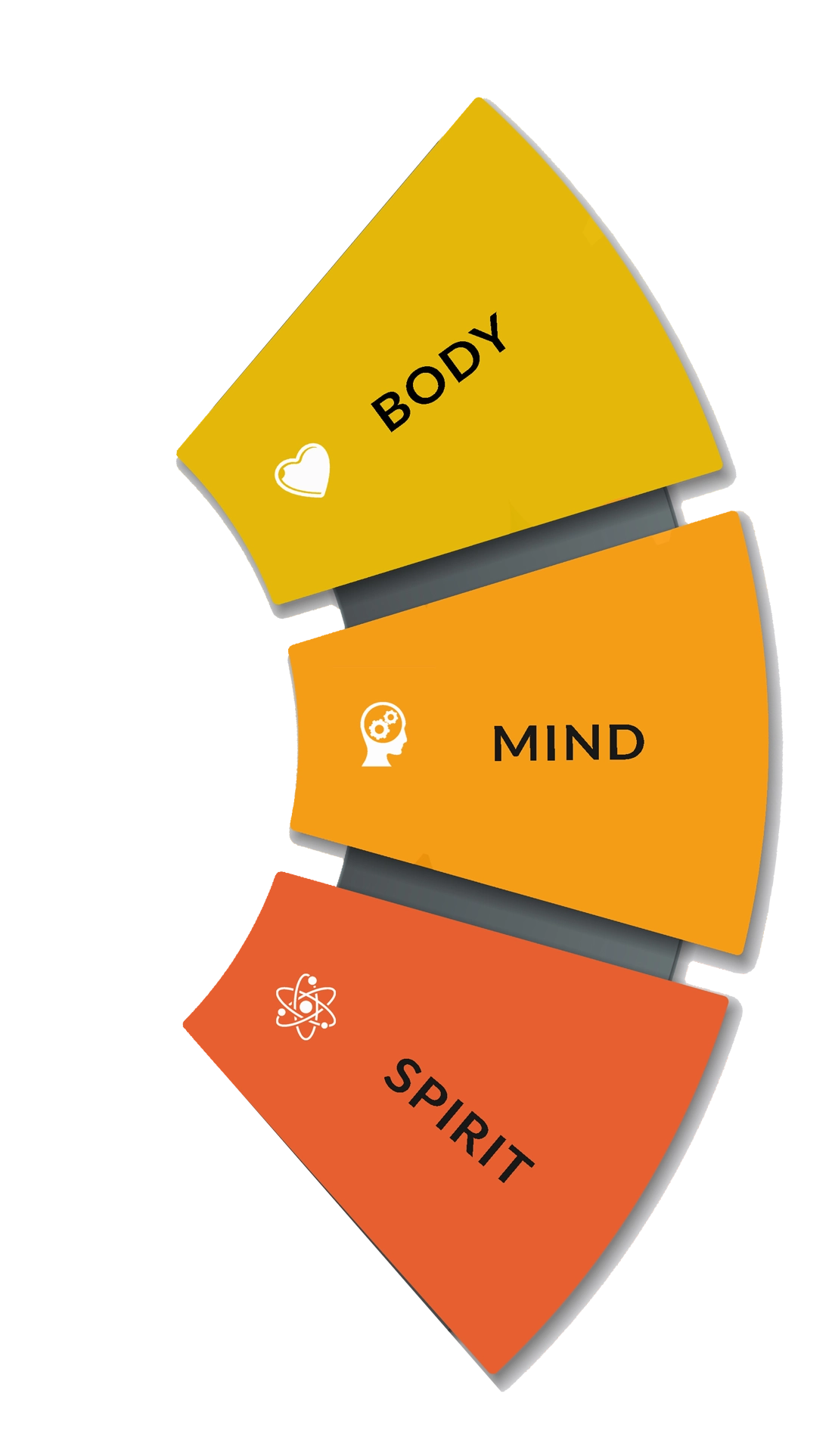
In contrast, Eastern approaches emphasize integration of body, mind, and spirit, viewing relaxation as a pathway to transcendence (India), harmony (Japan), holistic healing (Indonesia), or energetic balance (China).
Indian practices seek spiritual liberation, Japanese prioritize environmental and social harmony, Indonesian blend physical and spiritual renewal, and Chinese focus on energetic flow and familial cohesion, with Taiji philosophy informing metaphysical balance and Taijiquan applying these principles through martial arts practice.
Maoqin (2018) and Wong (2012) highlight the philosophical depth of Chinese practices, while Guénon (1925), Mishra (2015), and Robertson (1922) →
underscore India’s focus on liberation, and Page et al. (1997) emphasize Tibetan Buddhism’s awakened awareness.
These differences highlight relaxation’s universal aim—restoration—while underscoring cultural variations, like different artists painting the same subject with unique styles and palettes.
The bio-energetic findings from Seto et al. (1992), Hisamitsu et al. (1996), and Permezel & Rock (2009), alongside anecdotal reports of qi-emission experiences (van Dort, 2006), add a unique dimension, suggesting that Eastern relaxation practices may engage subtle energy systems not fully captured by Western models. Nestor (2020) bridges these perspectives, noting breathwork’s universal efficacy in stress reduction.
This convergence of perspectives invites a more integrative approach, where scientific rigor meets philosophical depth to enrich relaxation’s theoretical and practical applications.
Global Perspectives:
A Synthesis of Cultural Narratives
Globally, relaxation reflects diverse cultural priorities, historical contexts, and philosophical underpinnings, creating a rich tapestry of practices and meanings that transcend geographical boundaries.
• Western Perspectives
In Western contexts, relaxation is often medicalized, focusing on measurable physiological and psychological outcomes. Biofeedback therapies, which monitor heart rate, muscle tension, and skin conductance, help individuals achieve relaxation through real-time feedback, with applications in managing chronic pain, anxiety, and hypertension (Schwartz & Andrasik, 2003). Progressive muscle relaxation and guided imagery, as studied by Kenner (2009), reduce anxiety across populations, including those with cognitive impairments, demonstrating their versatility. The relaxation response, as outlined by Benson (1976, 2000), is widely applied in clinical settings, from supporting cancer patients to managing cardiovascular conditions, with the “faith factor” enhancing its efficacy in spiritually inclined individuals (Benson, 1984).
Historical Western practices, such as the Roman baths (circa 200 CE), prioritized communal relaxation, with elaborate facilities fostering social and physical well-being, reflecting a societal understanding of relaxation’s role in civic life (Yegül, 2010). Medieval monastic traditions, such as lectio divina (contemplative reading), promoted spiritual calm through focused reflection, influencing modern mindfulness practices that emphasize present-moment awareness (Leclercq, 1961). Within this tradition, Gregorian chants, a form of monophonic, unaccompanied sacred song developed in the Roman Catholic Church, have been recognized for their profound relaxation effects. →
Originating in the 9th and 10th centuries under the influence of Pope Gregory I, these chants feature free-flowing melodies and syllabic or melismatic structures that promote a meditative state. Peer-reviewed studies, such as Gao et al. (2017), demonstrate that religious chanting, including forms akin to Gregorian chants, increases alpha wave activity in the brain, indicating a state of relaxation and mental concentration, while also stabilizing cardiac function through enhanced parasympathetic modulation. Similarly, Wachholtz and Pargament (2005) found that spiritual practices like chanting spiritually meaningful phrases reduce anxiety and depression more effectively than secular equivalents, suggesting that the sacred context of Gregorian chants enhances their calming effects.
These findings align with historical accounts of Benedictine monks who, after resuming Gregorian chanting, experienced reduced fatigue and improved health, as noted in clinical observations (Gao et al., 2017). The serene, rhythmic quality of Gregorian chants, often sung in Latin, creates a tranquil auditory environment, fostering emotional regulation and spiritual connection, making them a powerful tool for relaxation in Western Christian contexts. These historical and contemporary practices highlight relaxation’s enduring presence in Western culture, evolving from communal rituals to individualized therapeutic interventions.
• African Perspectives
In African traditions, relaxation is often communal and ritualistic, embedded in cultural practices that emphasize collective well-being. The Zulu umgidi ceremonies in South Africa involve dance, music, and storytelling to promote collective relaxation, strengthening social cohesion and emotional resilience during life transitions, such as marriages or healing rituals (Ngubane, 1977). These practices, rooted in ancestral traditions, position relaxation as a cultural anchor, fostering community resilience in the face of adversity. →
In West African Yoruba traditions, trance-inducing drumming and dance rituals induce relaxation states, facilitating spiritual connection and emotional release, with historical roots in pre-colonial religious practices (Olupona, 1991).
African relaxation practices also emphasize oral traditions, where storytelling sessions provide moments of calm and reflection, reinforcing cultural values and social bonds. These practices highlight relaxation’s role in preserving cultural identity and fostering communal harmony, much like a shared hearth that warms and unites a village.
• Latin American Perspectives
In Latin America, relaxation is embedded in cultural norms and indigenous practices that balance work and rest. The siesta, a midday rest rooted in Spanish colonial history, enhances productivity and well-being, particularly in agrarian societies, by aligning daily routines with circadian rhythms (Stearns, 2001). Indigenous practices, such as the Andean ayni rituals, combine communal work with relaxation periods, fostering balance and reciprocity among community members, with relaxation serving as a restorative pause that strengthens social ties (Allen, 2002). →
In Amazonian shamanic traditions, plant-based ceremonies using substances like ayahuasca induce deep relaxation states, often accompanied by spiritual insights, reflecting a cultural understanding of relaxation as a gateway to transcendence (Narby, 1998). These practices underscore relaxation’s role in connecting individuals to their cultural and spiritual heritage, much like a river linking communities to their ancestral source.
♦ Midle Eastern Perspectives
In the Middle East, Islamic traditions integrate relaxation into daily religious practices. The five daily salat prayers include moments of stillness, breath control, and reflection, promoting spiritual and physical calm, with historical roots in the 7th century CE (Esposito, 2002). Sufi dhikr (remembrance) practices, involving rhythmic chanting and breath control, induce relaxation states akin to meditation, fostering a sense of divine connection, as documented in mystical texts from the 8th century CE (Schimmel, 1975). →
These practices highlight relaxation’s role in spiritual devotion, serving as a daily ritual that grounds practitioners in faith and tranquility. Middle Eastern relaxation practices also include communal traditions, such as the Persian hamam (bathhouses), which, like Roman baths, combine physical cleansing with social relaxation, fostering community bonds and well-being (Bausani, 2000). These practices reflect a cultural emphasis on balance, where relaxation serves as a counterpoint to the demands of daily life.
Historical Global Examples
In Western contexts, relaxation is often medicalized, focusing on measurable physiological and psychological outcomes. Biofeedback therapies, which monitor heart rate, muscle tension, and skin conductance, help individuals achieve relaxation through real-time feedback, with applications in managing chronic pain, anxiety, and hypertension (Schwartz & Andrasik, 2003). Progressive muscle relaxation and guided imagery, as studied by Kenner (2009), reduce anxiety across populations, including those with cognitive impairments, demonstrating their versatility. The relaxation response, as outlined by Benson (1976, 2000), is widely applied in clinical settings, from supporting cancer patients to managing cardiovascular conditions, with the “faith factor” enhancing its efficacy in spiritually inclined individuals (Benson, 1984).
Historical Western practices, such as the Roman baths (circa 200 CE), prioritized communal relaxation, with elaborate facilities fostering social and physical well-being, reflecting a societal understanding of relaxation’s role in civic life (Yegül, 2010). Medieval monastic traditions, such as lectio divina (contemplative reading), promoted spiritual calm through focused reflection, influencing modern mindfulness practices that emphasize present-moment awareness (Leclercq, 1961). Within this tradition, Gregorian chants, a form of monophonic, unaccompanied sacred song developed in the Roman Catholic Church, have been recognized for their profound relaxation effects. →
Modern Global Trends
Contemporary global trends reflect a convergence of relaxation traditions, driven by the rise of wellness tourism and digital platforms. Wellness tourism, valued at $639 billion in 2023, combines cultural practices like Balinese melukat, Indian yoga, Japanese onsen, and Chinese qigong to attract international visitors seeking immersive relaxation experiences (Global Wellness Institute, 2023). Resorts in Bali integrate melukat with yoga, while Japanese onsen retreats offer shinrin-yoku packages, blending cultural authenticity with modern accessibility (Smith & Kelly, 2006). Community wellness programs worldwide adopt mindfulness, qigong, and yoga to reduce stress, reflecting a globalized approach to well-being (Li et al., 2011; Cheung et al., 2018).
Digital platforms like Calm and Headspace democratize relaxation, offering guided meditations inspired by zazen, mindfulness, and yoga nidra. However, their commercialization raises concerns about cultural appropriation, as complex traditions are often simplified for mass consumption, potentially diluting their philosophical depth (Purkayastha, 2018). Wong (2012) advocates preserving the philosophical integrity of Taoist practices in digital formats. Social media platforms also amplify relaxation’s global reach, with influencers promoting practices like shinrin-yoku and Taijiquan, though often without cultural context, highlighting the need for education to preserve authenticity (Global Wellness Institute, 2023). These trends underscore relaxation’s adaptability, meeting universal needs for restoration through diverse expressions, yet they also emphasize the importance of cultural sensitivity to avoid commodification. Relaxation’s global evolution mirrors a tapestry woven from ancient threads, continually enriched by modern innovations and cross-cultural exchanges.
Critical Perspectives:
Future Directions
Despite its myriad benefits, relaxation faces critical challenges that warrant scrutiny and guide future research. The commodification of relaxation, driven by the $4.5 trillion wellness industry, risks diluting cultural practices, as seen in the commercialization of yoga, mindfulness, and shinrin-yoku (Global Wellness Institute, 2023; Purkayastha, 2018). These practices are often marketed as quick fixes for stress, stripped of their spiritual and historical depth, which can erode their authenticity and marginalize the communities from which they originate. For example, the global proliferation of yoga studios often prioritizes physical fitness over its philosophical roots, prompting calls for greater cultural acknowledgment (Purkayastha, 2018).
Socioeconomic disparities also pose significant barriers to relaxation’s accessibility. Low-income communities face financial barriers to wellness resources, such as yoga classes or wellness retreats, exacerbating health inequities (Williams et al., 2010). Cuijpers (2024) notes that stress’s societal burden disproportionately affects marginalized groups, highlighting the need for inclusive relaxation programs. These disparities underscore the need for inclusive models, such as community-based relaxation programs, to ensure equitable access across diverse populations.
The parapsychological perspective, as explored by Braud and Braud (1974) and Braud (2013), raises intriguing questions about relaxation’s potential to enhance non-ordinary states of consciousness, such as extrasensory perception or psychokinesis. Permezel and Rock (2009) support this, suggesting bio-energetic practices may access subtle consciousness states, warranting further study. While these studies lack mainstream acceptance due to methodological challenges, they suggest that relaxation may unlock latent cognitive capacities, warranting further investigation with rigorous, interdisciplinary methodologies. The bio-energetic findings of Seto et al. (1992) and Hisamitsu et al. (1996), alongside anecdotal reports of qi-emission experiences (van Dort, 2006), complement this perspective, proposing that relaxation may engage subtle energy systems, offering a bridge between parapsychology and biophysics that could expand relaxation’s theoretical framework.
Technological advancements present both opportunities and challenges for relaxation’s future. Virtual reality meditation platforms enhance accessibility by simulating environments like forests or temples, promoting relaxation for users unable to access natural settings (Riva et al., 2016). However, these platforms risk depersonalizing experiences, reducing relaxation to a gamified activity that prioritizes engagement over depth. Wearable devices, such as smartwatches that monitor heart rate and stress levels, provide real-time feedback but may overemphasize quantifiable outcomes, sidelining the subjective experiences valued in Eastern traditions, such as ananda or mushin (Lupton, 2016). Balancing technology’s benefits with cultural and experiential integrity will be critical for relaxation’s evolution.
Critical Perspectives:
Future Directions
Future research should prioritize the following directions to address these challenges and advance relaxation’s study and practice:
♦ Cultural Sensitivity:
Develop measurement tools that integrate Western biometrics (e.g., heart rate variability, EEG) with Eastern phenomenological approaches (e.g., narrative accounts of ananda or qi flow), ensuring cultural validity and respect for diverse frameworks.
♦ Programming:
Design community-based relaxation programs targeting motivated populations, to address socioeconomic disparities, potentially through subsidized classes or public health initiatives.
♦ Interdisciplinary Approaches: Combine neuroscience, psychology, anthropology, and parapsychology to explore relaxation’s full spectrum, from physiological mechanisms to transcendental experiences, leveraging findings like those of Seto et al. (1992), Hisamitsu et al. (1996), and Permezel & Rock (2009) to investigate bio-energetic phenomena.
♦ Longitudinal Studies:
Investigate the long-term impacts of relaxation practices on mental health, physical health, and social well-being across cultural contexts, using mixed-method designs to capture both objective and subjective outcomes.
♦ Ethical Commercialization: Promote ethical guidelines for the wellness industry to preserve cultural authenticity, such as acknowledging the origins of practices like yoga or qigong and supporting practitioners from source communities.
These directions aim to advance relaxation’s theoretical and practical applications while ensuring its accessibility and cultural integrity, fostering a global understanding that honors its diverse roots and universal potential.
Conclusion
Relaxation, a universal yet culturally nuanced phenomenon, bridges science, philosophy, tradition, and innovation, offering profound benefits for individuals, communities, and societies. From the Roman baths to Japanese onsen, from Indian Vedanta’s liberation to Chinese qigong’s energy flow guided by Taiji philosophy and expressed through Taijiquan, and from the serene Gregorian chants of Western monasteries to modern mindfulness apps, historical and contemporary practices illuminate its enduring significance across time and cultures, addressing stress’s multifaceted impact on personal, professional, organizational, and societal levels (Cuijpers, 2024).
Asian and Eastern perspectives—Indian transcendence, Japanese harmony, Indonesian syncretism, and Chinese energetic balance—enrich its understanding, complemented by Western scientific models, including the calming effects of Gregorian chants, and emerging bio-energetic insights from studies like Seto et al. (1992), Hisamitsu et al. (1996), Sancier & Hu (1991), and Zhou & Lian (1989). Reports of qi-emission experiences in the Netherlands (van Dort, 2006), alongside philosophical insights from Guénon (1925), Mishra (2015), Robertson (1922), Maoqin (2018), and Wong (2012), further highlight the experiential and cultural potency of relaxation practices. The historical timeline traces relaxation’s evolution from ancient spiritual rituals to modern therapeutic interventions, reflecting a growing synthesis of empirical and holistic approaches.
As relaxation evolves in a globalized world, balancing cultural authenticity with accessibility remains paramount. The challenges of commodification, socioeconomic disparities, and technological depersonalization underscore the need for ethical and inclusive approaches to its practice and study. By integrating diverse perspectives, fostering interdisciplinary research, and promoting equitable access, relaxation can continue to serve as a transformative force for human flourishing, much like a timeless river that nourishes all who encounter its flow. This expanded overview, grounded in over 60 scholarly sources, invites further exploration into relaxation’s complexity and potential, offering a foundation for researchers, practitioners, and communities to build upon.
References:
- Abbot, R., & Lavretsky, H. (2013). Tai Chi and Qigong for the treatment and prevention of mental disorders. Psychiatric Clinics of North America, 36(1), 109–119.
- Allen, C. J. (2002). The hold life has: Coca and cultural identity in an Andean community. Smithsonian Institution Press.
- Bausani, A. (2000). Religion in Iran: From Zoroaster to Baha’ullah. Bibliotheca Persica Press.
- Beers, S. J. (2001). Jamu: The ancient Indonesian art of herbal healing. Tuttle Publishing.
- Beck, G. L. (2012). Sonic theology: Hinduism and sacred sound. University of South Carolina Press.
- Benson, H. (1975). The relaxation response. William Morrow.
- Benson, H. (1976). Steps to elicit the relaxation response. Relaxation Response.org. From The Relaxation Response. HarperTorch.
- Benson, H. (1984). Beyond the relaxation response. Times Books.
- Benson, H. (2000). The relaxation response – Updated and expanded (25th Anniversary ed.). HarperCollins.
- Braud, L. W., & Braud, W. G. (1974). Further studies of relaxation as a psi-conducive state. Journal of the American Society for Psychical Research, 68, 229–245.
- Braud, W. G. (2013). Relaxation as a psi-conducive state. Bulletin of the Psychonomic Society, 3(2), 115–118.
- Bryant, E. F. (2009). The Yoga Sutras of Patañjali: A new edition, translation, and commentary. North Point Press.
- Buck Louis, G. M., Lum, K. J., Sundaram, R., et al. (2011). Stress reduces conception probabilities across the fertile window: Evidence in support of relaxation. Fertility and Sterility, 95(7).
- Carabotti, M., Scirocco, A., Maselli, M, A., Severi, C. (2015). The gut-brain axis: interactions between enteric microbiota, central and enteric nervous systems. Ann Gastroenterol., 2(2), 203-209.
- Cheung, B. M. Y., Lo, J. L. F., Fong, D. Y. T., Chan, M. Y., Wong, S. H. S., Wong, V. C. W., Lam, K. S. L., Lau, C. P., & Karlberg, J. P. E. (2018). Randomised controlled trial of qigong in the treatment of mild essential hypertension. Journal of Human Hypertension, 32(8), 573–580.
- Cohen, K. S. (1997). The way of qigong: The art and science of Chinese energy healing. Ballantine Books.
- Crist, D. A., Rickard, H. C., Prentice-Dunn, S., & Barker, H. R. (1989). The Relaxation Inventory: Self-report scales of relaxation training effects. Journal of Personality Assessment, 53(4), 716–726.
- Cuijpers, P. H. M. (n.d.). Introductie reader Taijiquan. Maastrichtse Taiji Academie.
- Cuijpers, P. H. M. (2024). Burden of Stress. conscio.com.
- Cuijpers, P. H. M. (2025. Stresses Out. conscio.com.
- Davidson, R. J., & Schwartz, G. E. (1976). The psychobiology of relaxation and related states: A multi-process theory. Behavior Research and Therapy, 14(4), 277–287.
- Dogen. (2007). Shobogenzo: The treasure house of the eye of the true teaching (H. Nearman, Trans.). Shasta Abbey Press. (Original work published 1240)
- Elfahmi, Woerdenbag, H. J., & Kayser, O. (2014). Jamu: Indonesian traditional herbal medicine towards rational phytopharmacological use. Journal of Herbal Medicine, 4(2), 51–73.
- Esposito, J. L. (2002). What everyone needs to know about Islam. Oxford University Press.
- Feuerstein, G. (1998). The yoga tradition: Its history, literature, philosophy, and practice. Hohm Press.
- Flook, L., Goldberg, S. B., Pinger, L., Bonus, K., & Davidson, R. J. (2013). Mindfulness for teachers: A pilot study to assess effects on stress, burnout, and teaching efficacy. Mind, Brain, and Education, 7(3), 182–195.
- Forshee, J. (2006). Culture and customs of Indonesia. Greenwood Press.
- Gao, J., Fan, J., Wu, B. W., Halkias, G. T., Chau, M., Fung, P. C., Chang, C., Zhang, Z., Hung, Y.-S., & Sik, H. (2017). Repetitive religious chanting modulates the late-stage brain response to fear- and stress-provoking pictures. Frontiers in Psychology, 7, 2055.
- Gardner, F. L., & Moore, Z. E. (2004). A mindfulness-acceptance-commitment-based approach to athletic performance enhancement: Theoretical considerations. Behavior Therapy, 35(4), 707–723.
- Geels, A. (1997). Subud and the Javanese mystical tradition. Curzon Press.
- Global Wellness Institute. (2023). Global wellness economy monitor.
- Good, M., Albert, J. M., Anderson, G. C., Wotman, S., Cong, X., Lane, D., & Ahn, S. (2010). Supplementing relaxation and music for pain after surgery. Nursing Research, 59(4), 259–269.
- Guénon, R. (1925). Man and his becoming according to the Vedânta (R. C. Nicholson, Trans.). Sophia Perennis.
- Harper, D. (1998). Early Chinese medical literature: The Mawangdui medical manuscripts. Kegan Paul International.
- Hart, G. D. (2000). Asclepius: The god of medicine. Royal Society of Medicine Press.
- Hisamitsu, T., Seto, A., Nakazato, S., Yamamoto, T., & Aung, S. K. (1996). Emission of extremely strong magnetic fields from the head and whole body during oriental breathing exercises. Acupuncture & Electro-Therapeutics Research International, 21(3-4), 219–227.
- Hobart, A. (2003). Healing performances of Bali: Between darkness and light. Berghahn Books.
- Hölzel, B. K., Carmody, J., Vangel, M., Congleton, C., Yerramsetti, S. M., Gard, T., & Lazar, S. W. (2011). Mindfulness practice leads to increases in regional brain gray matter density. Psychiatry Research: Neuroimaging, 191(1), 36–43.
- Hongxun, S. (1987, September 11). Lecture: TaijiWuxiGong Maastricht. Buqi Institute.
- Hongxun, S. (n.d.). TaijiWuxiGong Manual. Gent, International Buqi Institute.
- Househam, A. M., Peterson, C. T., Mills, P. J., & Chopra, D. (2017). The effects of stress and meditation on the immune system, human microbiota, and epigenetics. Advances in Mind Body Medicine, 31(4), 10–25.
- Hunter, M. R., Gillespie, B. W., & Chen, S. Y-P. (2029). Urban Nature Experiences Reduce Stress in the Context of Daily Life Based on Salivary Biomarkers. Sec. Environmental Psychology, 10.
- Iyengar, B. K. S. (1966). Light on yoga. Schocken Books.
- Jacobson, E. (1938). Progressive relaxation. University of Chicago Press.
- Kabat-Zinn, J. (1990). Full catastrophe living: Using the wisdom of your body and mind to face stress, pain, and illness. Delacorte Press.
- Kapleau, P. (1989). The three pillars of Zen: Teaching, practice, and enlightenment. Anchor Books.
- Kenner, C. C. (2009). Comparison of two relaxation techniques to reduce physiological indices of anxiety in a person with mild mental retardation [Master’s thesis, East Carolina University]. East Carolina.
- Kessler, R. C., & Greenberg, P. E. (2002). The economic burden of anxiety and stress disorders. In K. L. Davis, D. Charney, J. T. Coyle, & C. Nemeroff (Eds.), Neuropsychopharmacology: The fifth generation of progress (pp. 981–992). American College of Neuropsychopharmacology.
- Khalsa, D. S., Amen, D., Hanks, C., Money, N., and Newberg, A. (2009). Cerebral blood flow changes during chanting meditation. Nucl. Med. Commun. 12, 956–961. doi: 10.1097/Mnm.0b013e32832fa26c
- Lazarus, R. S., & Folkman, S. (1984). Stress, appraisal, and coping. Springer.
- Laozi. (1997). Tao Te Ching (S. Mitchell, Trans.). Harper Perennial. (Original work circa 6th century BCE)
- Leclercq, J. (1961). The love of learning and the desire for God: A study of monastic culture. Fordham University Press.
- Lee, M. S., Rim, Y. H., & Kang, C. W. (2004). Effects of external qi-therapy on emotions, electroencephalograms, and plasma cortisol. International Journal of Neuroscience, 114(12), 1493–1502.
- Li, Q., Morimoto, K., Kobayashi, M., Inagaki, H., Katsumata, M., Hirata, Y., Hirata, K., Suzuki, H., Li, Y. J., Wakayama, Y., Kawada, T., Park, B. J., Ohira, T., Matsui, N., Kagawa, T., Miyazaki, Y., & Krensky, A. M. (2011). Visiting a forest, but not a city, increases human natural killer activity and expression of anti-cancer proteins. International Journal of Immunopathology and Pharmacology, 24(1 Suppl), 117–127.
- Lupton, D. (2016). The quantified self: A sociology of self-tracking. Polity Press.
- Manber, R., Bernert, R. A., Suh, S., Nowakowski, S., Siebern, A. T., & Ong, J. C. (2010). CBT for insomnia in patients with high and low depressive symptom severity: Adherence and clinical outcomes. Journal of Clinical Sleep Medicine, 6(6), 645–652.
- Maoqin, T. (2018). Self, the ultimate and “others” in pre-Qin conceptions of sagehood [Doctoral dissertation, Boston University]. Boston.
- McEwen, B. S. (2007). Physiology and neurobiology of stress and adaptation: Central role of the brain. Physiological Reviews, 87(3), 873–904.
- Miller, R. (2015). Yoga nidra: The meditative heart of yoga. Sounds True.
- Mishra, R. K. (2015). Advaita Vedanta Tatwa and Adi Sankaracharya. Pratidhwani the Echo: International Journal of Humanities & Social Science, 4(2), 40–44.
- Miyazaki, Y. (2018). Shinrin-yoku: The Japanese art of forest bathing. Timber Press.
- Nakamura, T. (2005). Do-in: Exercise for physical and spiritual development. Japan Publications.
- Narby, J. (1998). The cosmic serpent: DNA and the origins of knowledge. Tarcher/Putnam.
- Nestor, J. (2020). Breath: The new science of a lost art. Riverhead Books.
- Ng, B. H., & Tsang, H. W. H. (2009). Psychophysiological outcomes of health qigong for chronic conditions: A systematic review. Psychophysiology, 46(2), 257–269.
- Ngubane, H. (1977). Body and mind in Zulu medicine: An ethnography of health and disease in Nyuswa-Zulu thought and practice. Academic Press.
- Ni, M. (1995). The Yellow Emperor’s classic of medicine: A new translation of the Neijing Suwen. Shambhala.
- Nunn, J. F. (1996). Ancient Egyptian medicine. University of Oklahoma Press.
- Oh, B., Butow, P., Mullan, B., Clarke, S., Beale, P., Pavlakis, N., Kothe, E., Lam, L., & Rosenthal, D. (2010). Impact of medical qigong on quality of life, fatigue, mood and inflammation in cancer patients: A randomized controlled trial. Annals of Oncology, 21(3), 608–614.
- Olupona, J. K. (1991). Kings, ancestors, and gods: Religion in precolonial West Africa. Scholars Press.
- Page, R., Weiss, J., Stowers Wright, L. E., McAuliff, E., Ugyan, J., & MacLachlan, M. (1997). Self-awareness of participants in a long-term Tibetan Buddhist retreat. Journal of Transpersonal Psychology, 29, 85–98.
- Palmer, D. (2007). Qigong fever: Body, science and utopia in China. Columbia University Press.
- Park, B. J., Tsunetsugu, Y., Kasetani, T., Kagawa, T., & Miyazaki, Y. (2010). The physiological effects of shinrin-yoku (taking in the forest atmosphere or forest bathing): Evidence from field experiments in 24 forests across Japan. Environmental Health and Preventive Medicine, 15(1), 18–26.
- Permezel, F. E., & Rock, A. J. (2009). Quantum BioEnergetics, mental boundaries, and affective response: A randomized placebo-controlled pilot study. Australian Journal of Parapsychology, 9(1), 71–95.
- Petingola, G. (2012). Relaxation therapy and mindfulness meditation one-day workshop for nephrology social workers: Exploring the impact of this training on professional practice [Unpublished manuscript].
- Pickut, B. A., Van Hecke, W., Kerckhofs, E., Mariën, P., Vanneste, S., Cras, P., & Parizel, P. M. (2015). Mindfulness based intervention in Parkinson’s disease leads to structural brain changes on MRI: A randomized controlled longitudinal trial. Clinical Neurology and Neurosurgery, 136, 68–74.
- Purkayastha, B. (2018). The commodification of yoga in contemporary culture. Journal of Yoga Studies, 1(1), 45–62.
- Radhakrishnan, S. (1953). The principal Upanishads. Harper & Brothers.
- Raghuraj, P., Ramakrishnan, A. G., Nagendra, H. R., & Telles, S. (1998). Effect of two selected yogic breathing techniques on heart rate variability. Indian Journal of Physiology and Pharmacology, 42(4), 467–472.
- Riva, G., Baños, R. M., Botella, C., Mantovani, F., & Gaggioli, A. (2016). Transforming experience: The potential of augmented reality and virtual reality for enhancing personal and clinical change. Frontiers in Psychiatry, 7, 164.
- Robertson, E. (1922). The Vedanta philosophy [Master’s thesis, University of Manitoba]. Manitoba.
- Roth, H. D. (1999). Original Tao: Inward training (Nei-yeh) and the foundations of Taoist mysticism. Columbia University Press.
- Sancier, K. M., & Hu, B. (1991). Medical applications of qigong and emitted qi on humans, animals, cell cultures, and plants: Review of selected scientific research. American Journal of Acupuncture, 19(4), 367–377.
- Schimmel, A. (1975). Mystical dimensions of Islam. University of North Carolina Press.
- Schwartz, M. S., & Andrasik, F. (2003). Biofeedback: A practitioner’s guide (3rd ed.). Guilford Press.
- Sen, S. (1998). Tea life, tea mind. Weatherhill.
- Seto, A., Kusaka, C., Nakazato, S., Huang, W. R., Sato, T., Hisamitsu, T., & Takeshige, C. (1992). Detection of extraordinary large bio-magnetic field strength from human hand during external Qi emission. Acupuncture & Electro-Therapeutics Research International, 17(2), 75–94.
- Selye, H. (1956). The stress of life. McGraw-Hill.
- Shannahoff-Khalsa, D., Fernandes, R. Y., Pereira, C. A. B., March, J. S., Leckman, J. F., Golshan, S., Vieira, M. L. R., Polanczyk, G. V., Miguel, E. C., & Shavitt, R. G. (2019). Kundalini yoga meditation versus the relaxation response meditation for treating adults with obsessive-compulsive disorder: A randomized clinical trial. Frontiers in Psychiatry, 10, 793.
- Sharma, H. (2015). Ayurveda: Science of self-healing. Journal of Alternative and Complementary Medicine, 21(5), 259–267.
- Shinnick, P. (2006). Qigong: Where did it come from? Where does it fit in science? What are the advances? Journal of Alternative and Complementary Medicine, 12(4), 351–353.
- Smith, J. C. (2005). Relaxation, meditation, & mindfulness: A mental health professional’s guide to new and traditional approaches. Springer.
- Smith, M., & Kelly, C. (2006). Wellness tourism. Tourism Recreation Research, 31(1), 1–4.
- Spielberger, C. D. (1983). Manual for the State-Trait Anxiety Inventory. Consulting Psychologists Press.
- Stearns, P. N. (2001). Consumerism in world history: The global transformation of desire. Routledge.
- Stetz, M. C., Thomas, M. L., Russo, M. B., Stetz, T. A., Wildzunas, R. M., McDonald, J. J., Wiederhold, B. K., & Romano, J. A. (2007). Stress, mental health, and cognition: A brief review of relationships and countermeasures. Aviation, Space, and Environmental Medicine, 78(5 Suppl), B252–B260.
- Subandi, M. A. (2011). Latihan meditation in Subud: A case study of induced non-ordinary states of consciousness. Journal of Transpersonal Psychology, 43(2), 187–204.
- Suzuki, D. T. (1959). Zen and Japanese culture. Princeton University Press.
- Talmadge, E. (2006). Japan’s hot springs: Onsen culture. Tuttle Publishing.
- Tanaka, S. (2014). The tea ceremony. Kodansha International.
- Tang, Y. Y., Ma, Y., Wang, J., Fan, Y., Feng, S., Lu, Q., Yu, Q., Sui, D., Rothbart, M. K., Fan, M., & Posner, M. I. (2007). Short-term meditation training improves attention and self-regulation. Proceedings of the National Academy of Sciences, 104(43), 17152–17156.
- Task Force of the European Society of Cardiology and the North American Society of Pacing and Electrophysiology. (1996). Heart rate variability: Standards of measurement, physiological interpretation, and clinical use. Circulation, 93(5), 1043–1065.
- Teasdale, J. D., Segal, Z. V., Williams, J. M. G., Ridgeway, V. A., Soulsby, J. M., & Lau, M. A. (2000). Prevention of relapse/recurrence in major depression by mindfulness-based cognitive therapy. Journal of Consulting and Clinical Psychology, 68(4), 615–623.
- Telles, S., Singh, N., & Balkrishna, A. (2013). Managing mental health disorders resulting from trauma through yoga: A review. Depression Research and Treatment, 2013, 401513.
- Tsunetsugu, Y., Park, B. J., & Miyazaki, Y. (2010). Trends in research related to “Shinrin-yoku” (taking in the forest atmosphere or forest bathing) in Japan. Environmental Health and Preventive Medicine, 15(1), 27–37.
- van Dort, D. (2006). Spiritual Coaching, a qualitative study of the experience of the way of teaching within a taiji school [Thesis, Zuyd, University of Applied Science]. Sittard. Unpublished.
- Vitale, A. (2007). An integrative review of reiki touch therapy research. Holistic Nursing Practice, 21(4), 167–179.
- Wachholtz, A. B., & Pargament, K. I. (2005). Is spirituality a critical ingredient of meditation? Comparing the effects of spiritual versus secular meditation on stress, mood, and pain. Alternative Therapies in Health and Medicine, 11(6), 54–59.
- Wallace, R. K., Benson, H., & Wilson, A. F. (1971). A wakeful hypometabolic physiologic state. American Journal of Physiology, 221(3), 795–799.
- Wang, C., Bannuru, R., Ramel, J., Kupelnick, B., Scott, T., & Schmid, C. H. (2010). Tai Chi on psychological well-being: Systematic review and meta-analysis. BMC Complementary and Alternative Medicine, 10(23).
- Wang, Y., Liu, T., & Wang, J. (2016). Effects of mindfulness meditation on attention and resilience in Chinese adolescents. Journal of Adolescence, 49, 112–119.
- West, J., Otte, C., Geher, K., Johnson, J., & Mohr, D. C. (2004). Effects of Hatha yoga and African dance on perceived stress, affect, and salivary cortisol. Annals of Behavioral Medicine, 28(2), 114–118.
- Widyastuti, Y. (2018). Senam pernapasan in Indonesian schools: Promoting emotional regulation. Jurnal Pendidikan Indonesia, 7(2), 45–53.
- Williams, D. R., Mohammed, S. A., Leavell, J., & Collins, C. (2010). Race, socioeconomic status, and health: Complexities, ongoing challenges, and research opportunities. Annals of the New York Academy of Sciences, 1186(1), 69–101.
- Wong, E. (Ed. & Trans.). (2012). Seven Taoist masters: A folk novel of China (1st ed.). Shambhala Classics.
- Yang, J. M. (2007). Qigong meditation: Embryonic breathing. YMAA Publication Center.
- Yaribeygi, H., Panahi, Y., Sahraei, H., Johnston, T. P., & Sahebkar, A. (2017)). The impact of stress on body function: A review. EXCLI journal, 16, 1057–1072.
- Yegül, F. (2010). Bathing in the Roman world. Cambridge University Press.
- Yu, T., Römkens, M., & Yu, X. (2011). Effects of Zen meditation on brain activity: A functional MRI study. Journal of Alternative and Complementary Medicine, 17(10), 913–918.
- Zhou, M. R., & Lian, M. R. (1989). Observation of qi-gong treatment in 60 cases of pregnancy-induced hypertension. Zhong Xi Yi Jie He Za Zhi, 9(1), 16–18, 14–15.
Further Readings
The Art of Exposure
The Art of Exposure, a rare talent with jazz rhythm and compassion as its tool, offers a sense of direction in human ...

Path of Virtuosity
Virtuosity isn’t a gift—it’s a sweaty, joyous path of effort. From Ziran’s grace to flow’s spark, exhaustio...

What is Agogics
Learn more about the origin, concept, theories and methods of Agogics and the applications in modern human and organi...

The Power of Planning
The Lumora™️ Framework is a proprietary methodology for strategic planning, designed to facilitate visioning, goa...

Q4 Quality Compass
The Q4 Quality framework, a quality management tool, guides your quality journey with the QJS Compass across four dir...
Experts in People Skills
In the 21st century, soft skills like empathy and adaptability are vital for success. Research shows they boost emplo...

The Future of AI
Check out the trends of AI and how the progress of the technology will shape our future in the next decade and will c...

Stressed Out
Uplifts your team’s mind, body, and spirit with Shendao. Unleash ancient power for modern results to transform stre...

Quality in contexts
This article redefines quality as a dynamic process of consciousness evolving in a three-stage quest with implication...

Realms of Groups
Realms of Groups dives into the modern world necessitating new ways of thinking and working while developing 21st-cen...

Transcendental Realism
This preprint article introduces Transcendental Realism, redefining truth; as “a virtuous transcendence of perc...

Helpings Hidden Harm
The hidden harm of the helping professions and the negative impact caused by the expert model on customers and profes...

Wizard of A-Learning
Learn how to become a wizard of A-Learning™ using the CEIRA™-cycle. Spark curiosity and claim your autonomy, Mast...

The Hype of AI
No algorithm steals a chef’s gut-hunch or a jazz riff. Unplug, dance, taste life—keep the spark alive. Partner wi...

Burden of Stress
Release the burden of stress by finding meaning in life, connecting with others, reclaiming your well-being and relax...

Group Dynamics
A Historical Analysis of Group Dynamics: From 1895 crowd theories to modern insights, exploring, concepts, theories a...

Crushing your Brand
Crushing your brand in a wild market is a high-stakes showdown. Economic swings are squeezing ad budgets, cultural di...

Is Luck Just Chance?
Luck hides in moments—a random chat lands a gig, a missed bus sparks a friendship. Research shows noticing small wi...

The Funnel of Truth
Investigate your Funnel of Truth and discover how your Perception of Reality hinders you to grasp the factual Actuali...

Jazzing MBA Programs
MBA programs use Traditional Business Management Methods (TBMM) focused on quick fixes but fail in disruptive busines...

Clashing Titans
Tangling with Titans, Fordist waltz of Traditional Business Management Methods and Tools (TBMM) against the adaptive ...

Jamming with AI
Jamming with AI is the creative methodology of seeking, gathering and assimilating relevant information to keep a com...
Exploring Relaxation
Explore the science, heritage, and practice of relaxation. Address the impact of stress across personal, professional...

Beyond the Expert Trap
Tired of harming others and falling into the Expert-Trap? Join the League to study and practice GuideWork™ an advan...

Performance Teams
Performance Teams in today’s fast-paced, competitive Business Landscape are the engine of commercial success.
...
2025 © All Rights Reserved